Cash management for cash-heavy businesses means frequent trips to the bank, security concerns, and manual counting, which can lead to mistakes and extra work. Smart safes are cutting-edge solutions designed to automate, secure, and simplify cash handling for businesses. Businesses that use smart safes frequently experience quantifiable increases in efficiency and security.
But you might be asking: Are smart safes worth the investment for my business? In this guide, we break down smart safe costs, ROI, and real-world use cases so you can answer that with confidence and clarity.
What Is a Smart Safe?
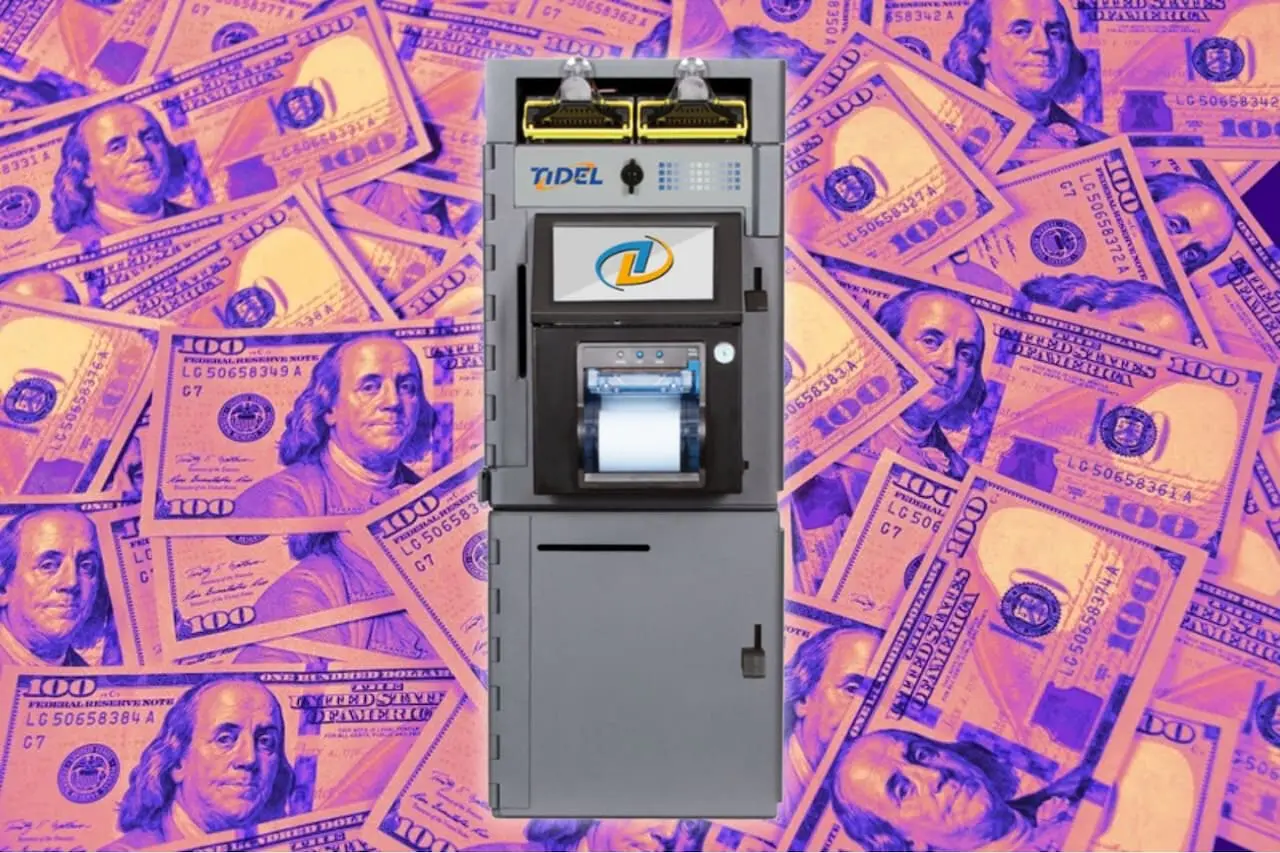
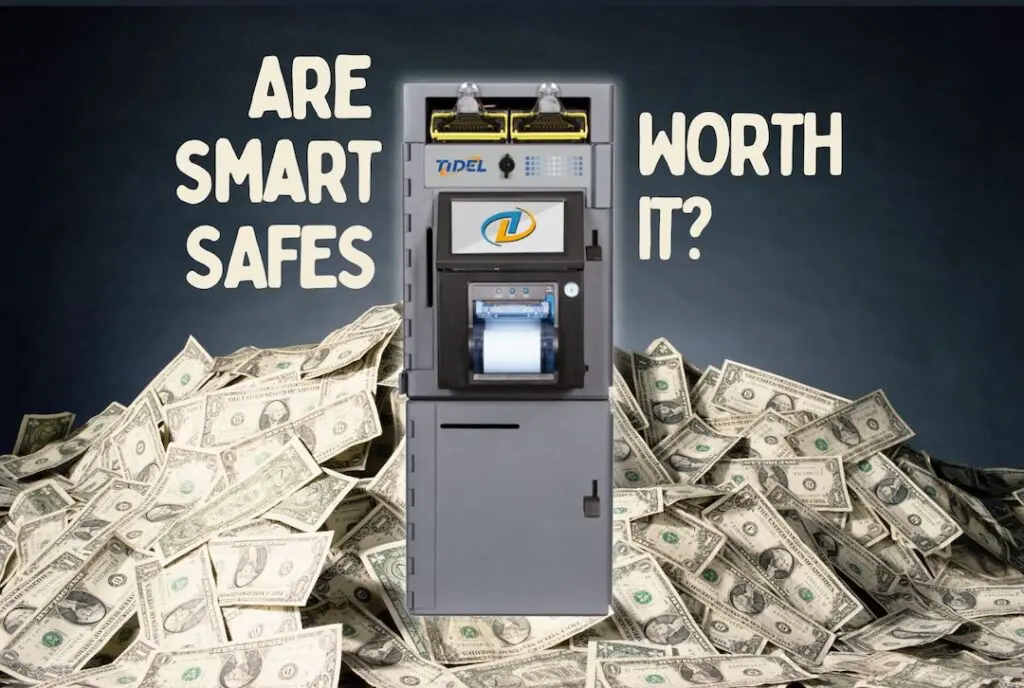
A smart safe (also called a secure deposit safe or intelligent cash management system) is more than just a physical safe. It’s an integrated cash-handling solution that:
- Automatically counts and validates cash deposits
- Tracks deposits in real time
- Provides secure storage with audit trails
- Offers remote monitoring and reporting
- Integrates with armored pickup and cash logistics services
These systems reduce manual activities and give business owners full visibility into their cash flow without frequent bank visits.
NationalLink’s smart safe solutions emphasize security, accuracy, and day-to-day convenience so your cash is handled efficiently from deposit to armored pickup.
How Much Do Smart Safes Cost?
Smart safe pricing can vary based on:
-
- Whether you lease the hardware or buy it outright
- Monthly service fees for monitoring and reporting
- Installation or setup costs (sometimes included)
Most businesses choose leasing with service bundles because it reduces upfront costs and includes ongoing support. This is a practical approach for retailers, restaurants, dispensaries, and other cash-intensive operations.
If you factor in what you currently spend on bank runs, employee cash counting hours, and expedited cash transport, smart safes often save more than they cost.
What Is the ROI of a Smart Safe?
The ROI (return on investment) of a smart safe comes from cutting hidden costs and improving cash management processes:
1. Reduced Labor & Management Time
Smart safes eliminate manual cash counting, reconciliation, and frequent bank deposits. Staff spend less time on administrative tasks and more time serving customers.
2. Improved Security and Reduced Loss
With real-time tracking, access controls, and tamper-proof storage, smart safes reduce both internal and external theft.
3. Faster Cash Flow
Many smart safes can be connected to armored carriers and bank systems so that cash is credited to business accounts more quickly once deposited–even before pickup. This boosts working capital availability.
4. Fewer Bank Run Costs
Reduced trips to the bank or armored carrier pickups decrease fuel, labor, and transportation fees.
All these benefits add up, often making smart safes pay for themselves within months, especially in high-volume cash environments.
How Long Until a Smart Safe Pays for Itself?
The “break-even” period depends on how much cash your business handles:
- High-volume convenience stores and gas stations: often see ROI within 3–6 months
- Restaurants and bars: typically within 6–9 months
- Mid-volume retail or multi-location operations: 6–12 months
If your store runs daily cash deposits and multiple bank trips each week, the savings on time and security often outweigh the service costs rapidly.
Which Businesses Benefit Most from Smart Safes?
Smart safes shine in cash-only businesses (or businesses that primarily deal in cash), especially where security and speed matter.
Common business types that benefit:
- Convenience stores
- Gas stations
- Quick-service restaurants (QSRs)
- Cannabis dispensaries
- Grocery and retail stores
- Bars, nightclubs, entertainment venues
NationalLink’s smart safes are designed for these use cases: from convenience stores that want fewer bank runs to dispensaries that need audit trails and compliance tools.
Real-World Smart Safe Use Cases
Here’s how smart safes work in action:
Convenience Stores & Gas Stations
High daily cash volume and long operating hours make frequent bank runs risky and time-consuming. Smart safes allow staff to securely deposit cash throughout the day while management monitors balances remotely and schedules armored pickups only when needed.
Restaurants & Bars
Instead of manually counting drawers at the end of every shift, employees deposit cash directly into the smart safe. The system automatically validates and records each deposit, reducing counting errors, employee disputes, and after-hours cash handling risks.
Cannabis Dispensary
Dispensaries benefit from the real-time cash tracking and security that helps protect against internal theft and maintain compliance. (Cannabis businesses are among the fastest adopters of smart safe tech due to heavy cash use and regulatory scrutiny.)
Retail Location
Smart safes integrated with a store’s POS system dramatically reduce reconciliation time and provide instant deposit visibility. Smart safes are especially helpful for multi-location businesses or owners who aren’t on-site every day.
Adult Stores
Adult retail stores often operate late hours and handle consistent cash volume, making them a prime target for theft and internal discrepancies. Smart safes simplify end-of-day reconciliation, reduce employee exposure to large amounts of cash, and improve overall store security. With automated cash tracking and scheduled armored pickups, owners gain peace of mind while maintaining smooth daily operations.
Smart Safes vs. Traditional Cash Handling
Smart safes differ significantly from basic safes:
| Feature | Traditional Safe | Smart Safe |
| Cash validation | ❌ | ✅ |
| Real-time tracking | ❌ | ✅ |
| Remote visibility | ❌ | ✅ |
| Automated audit trails | ❌ | ✅ |
| Integration with logistics | ❌ | ✅ |
Traditional safes only store cash; smart safes manage cash. They automate what was once manual, reducing errors and friction.
→ Read more on Smart Safes vs. Traditional Safes: What’s the Real Difference?
Are Smart Safes Secure and Reliable?
Security is a core benefit:
- Tamper-resistant storage
- User authentication and audit trails
- Real-time data connectivity for deposits and pickups
- Reduced internal theft thanks to controlled access and logs
These features give business owners confidence that their cash is safe even between bank visits or armored carrier pickups.
What Smart Safe Limitations Should You Know?
While smart safes improve cash security and operations, they are not revenue generators on their own. They don’t drive foot traffic or directly increase sales. They focus on cash handling efficiency and risk reduction, which is valuable, but different from adding revenue streams like ATMs or financial kiosks that offer fees for services.
Are Smart Safes Worth It for Your Business?
A smart safe is worth it if your business:
- Handles regular cash deposits
- Spends significant time on cash counting or bank runs
- Loses revenue to theft, errors, or discrepancies
- Wants faster access to funds
If cash is a critical part of your business, a smart safe often pays for itself through operational efficiencies and security improvements.
How NationalLink Makes Smart Safes Work for You
NationalLink’s smart safes include:
- Automated cash counting and validation
- Real-time tracking and reporting
- Daily provisional credit for faster cash flow
- Scheduled armored carrier pickups
- Seamless integration with cash logistics and ATM programs
This all-in-one solution means you don’t just store cash—you manage it intelligently.
Ready to see how a smart safe can transform your cash handling?
Contact NationalLink today for a personalized smart safe assessment and setup plan.